


Japan’s gas dependence needs a rethink, starting with a new steel plant
Analysis report · Transition Asia · October 2026
“Japan is in its third gas crisis in 5 years. As its steelmakers switch to electric furnaces, where those furnaces get their power decides how exposed Japanese steel is to the next one.”
Full report Report-PDF Executive summary Explore the findings
One furnace, two ways to power it
Japan spends about ¥25tn a year on imported fossil fuels, and gas prices have spiked three times since 2021: in the 2021 winter squeeze, after Russia’s invasion of Ukraine in 2022, and with the closure of the Strait of Hormuz in March 2026. At the same time, Japanese steelmakers are replacing coal-fired blast furnaces with electric arc furnaces. That cuts coal use, but it makes electricity a primary raw material, at about 650 kWh per tonne of steel.
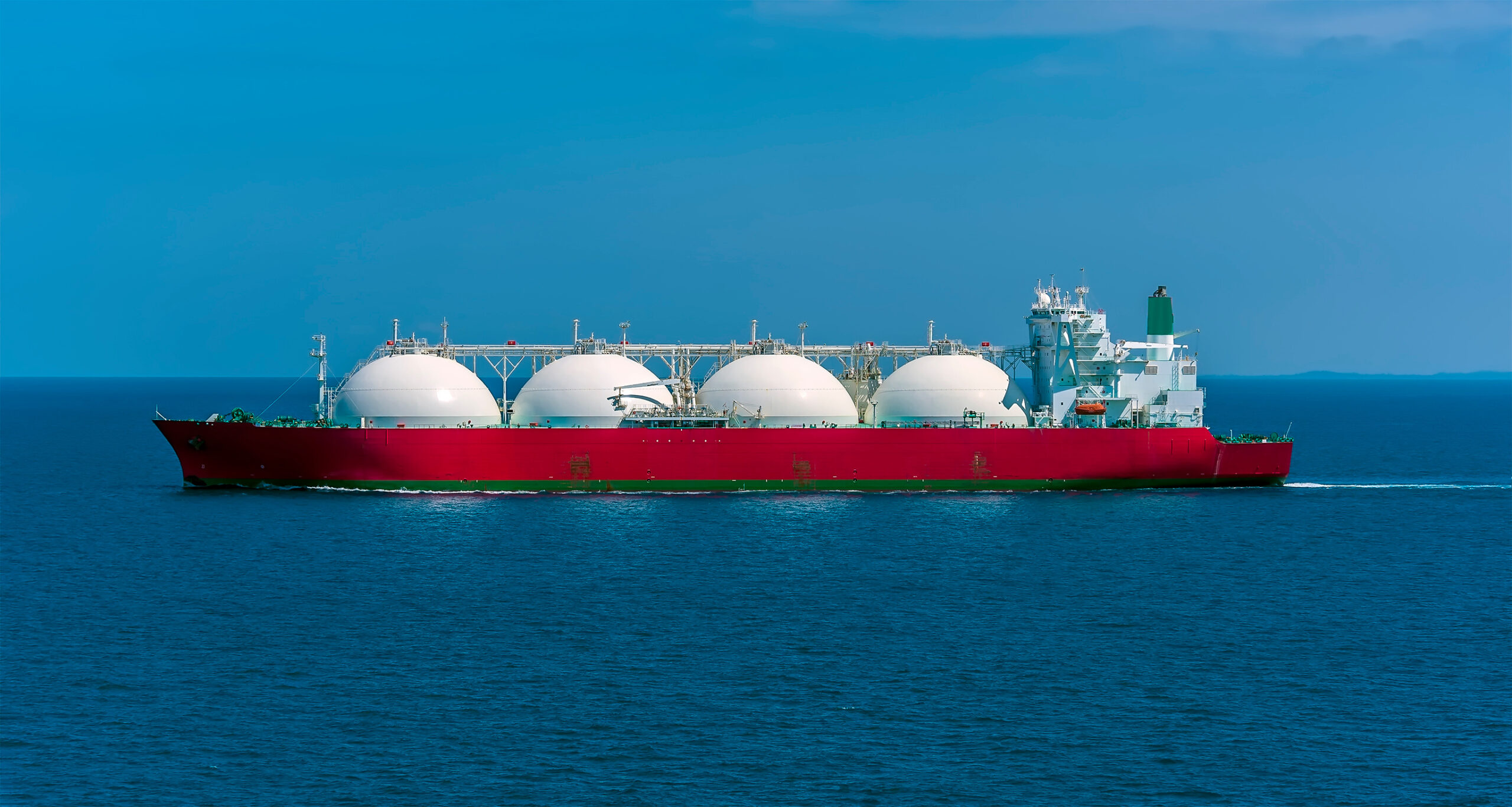
Nippon Steel plans a 2 Mt electric furnace at Yawata, powered by its own 2 GW LNG plant from 2031. We use it as a case study of what the gas route means in practice. We price the same furnace on the captive LNG plant and on the Kyushu grid with renewable power contracts, at real 2020–mid-2026 prices and in 4,000 simulated futures for 2029–2045.
The gas route carries every LNG crisis into the cost of steel
A captive LNG plant turns the fuel price straight into a steel cost, and its emissions are fixed for the plant’s life while the grid it competes with keeps getting cleaner.
Power cost per tonne of steel, by LNG price
Emission factor, kg CO₂ per kWh
Key findings
Click a finding to open it.
Price shocks pass straight through to steel
Long-term contracts protect less each time, and lengthen the gas commitment
The fuel buffer lasts days; LNG outages last months
A margin risk, not a solvency risk, until shocks combine
The grid overtakes the plant before it starts, and the steel stays above the near-zero line
On cost the LNG plant wins today; the grid spreads gas risk
The alternative: the grid plus renewable contracts
| Grid + renewable contracts | Captive LNG plant | |
|---|---|---|
| Fuels behind the power | Nuclear, coal, solar, gas, hydro, geothermal | LNG only |
| Fuel supply | Many terminals, utility portfolios, interconnectors | One shared terminal, about 11 days at its share |
| Price protection | Fixed-price renewable contracts | Depends on LNG contracts not yet signed |
| Emissions | Fall with the grid every year | Fixed for the plant’s life |
| Near-zero steel | Reached as the grid cleans up, by about 2040 | Not reached at 0.359 kg/kWh |
The route is already in use. Nippon Steel’s own new electric furnace at Košice in Slovakia will run on grid power from 2030.
Flexible melting turns surplus into an input. Kyushu curtailed 4.5–9.1% of its solar output each year in 2023–2025; a furnace that shifts melting into those hours buys cheap clean power.
What must change
The electric furnaces still to be built are not locked in.
Steelmakers
Benchmark the next furnace against grid power plus renewable contracts over its full life, with carbon costs and low-emission steel sales. Contract clean power around the clock, build furnaces that melt flexibly, and keep any gas commitment short and switchable.
Investors
Price the carbon and combined-stress risk, not just the fuel cost. Before backing the next furnace, ask for a grid benchmark, the planned LNG contract mix and how long it runs, the firm storage entitlement, the carbon price assumed, and how the steel will be sold as low-emission.
Policymakers
Add a carbon-intensity condition on the electricity behind the green-steel tax credit. Fund clean power industry can buy around the clock, not only fuel subsidies, and plan new furnaces’ grid connections with utilities and grid operators. No free GX-ETS allocation for new captive fossil plants.
Central case: 58% plant efficiency (LHV), 0.359 kg CO₂/kWh, 650 kWh/t, ¥150/$, and an LNG mix of 44% oil-linked, 36% US-gas-linked and 20% spot. For information only; not investment advice. The report represents the authors’ views and interpretations of publicly available information.


